
MjjM Salons Blog
Short Haircut Trends 2026: Styles to Know
By the MjjM Salons team
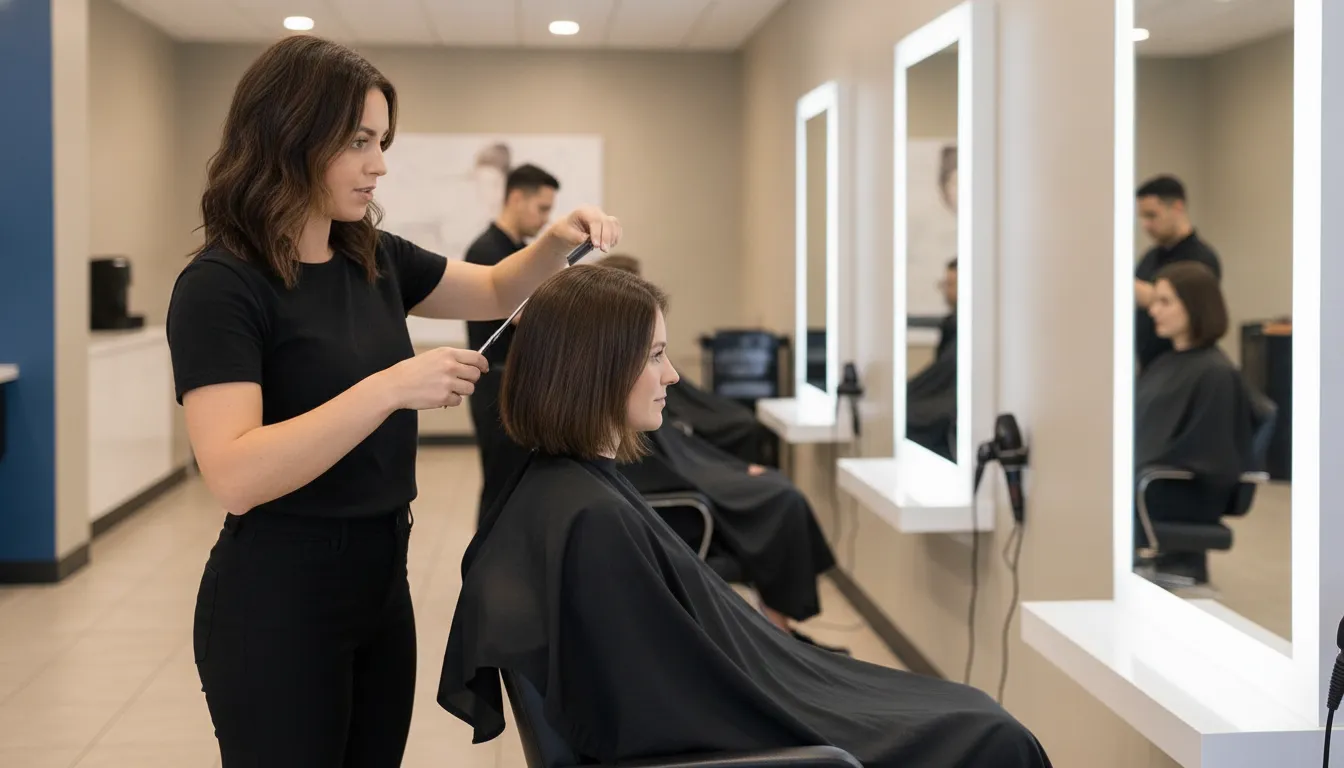
Choosing a short haircut is less about copying a single viral look. Find a shape that works with your texture, density, growth pattern, and daily routine. A consultation can turn trend inspiration into a practical cut you can maintain.
The most useful short haircut trends 2026 offer several directions, from soft pixies and bixies to clean micro bobs and flexible lobs. Your best option depends on how much length you want to keep, how you style your hair, and how often you want to maintain the shape.
Current silhouettes often balance precision with movement. A polished perimeter may be paired with strategic texture, softer edges, or face-framing layers. The sections ahead compare the leading shapes and explain what to discuss before your appointment.
Find a MjjM Salons location for your short haircut consultation.
Top Short Haircut Trends for Women in 2026
The direction of short haircut trends in 2026 is less about dramatic reinvention. It is more about intentional shape. Current looks emphasize precision, movement, and strategic texture. They also allow the haircut to work with the wearer's natural hair pattern.
That can mean a clean perimeter, softened layers, airy edges, or face-framing pieces. It does not have to mean one fixed definition of a modern short cut. Two people can choose the same broad category and receive different versions based on density, texture, and preferred styling.
The bixie keeps softness in a shorter shape
The bixie sits between a pixie and a bob. Its extra length creates softness and movement. The shorter shape keeps the style distinct from a conventional bob. It may suit someone who wants a cropped outline without choosing the most compact version of a pixie.
The best result still depends on density, texture, and the preferred styling routine. A bixie can be adjusted around the fringe, sides, and nape. A client who wants softness around the face may keep additional length in front. Someone who prefers a cleaner profile may ask for a more compact shape around the sides.
Micro bobs make the perimeter the focus
A micro bob typically skims the jaw. It uses a clean perimeter with minimal layering. The line can look precise and polished. Its appearance may change with waves, curls, cowlicks, or uneven growth patterns.
A stylist can adjust the shape to account for those characteristics. A reference photo should guide the conversation, not replace it. Ask how the perimeter will behave after washing and as the hair grows. This style may appeal to someone who wants a clear outline without choosing a pixie.
Textured pixies and softer trixies add movement
The trixie is a softer update on a pixie. It uses wispy edges and airy texture. It can offer a lighter finish when the goal is movement around the face. A classic pixie can also be customized with a longer fringe, piecey texture, or a smoother finish.
Texture does not have to mean a messy result. It can be placed deliberately to soften a perimeter or support natural movement. Ask which areas should remain structured. Also ask which areas can carry texture without adding more daily work.
Layered and kicktail bobs update familiar shapes
The cowboy bob takes a shorter, textured approach. Face-framing details give a traditional bob a more relaxed direction. The kicktail bob combines a compact, square line with softened interior lengths.
Its outer shape provides definition. Interior softness can keep the finish from appearing overly severe. Hair density and the way the ends turn naturally will influence the styling required. These silhouettes are useful starting points for a consultation.
Bring several examples that show the shape, texture, and amount of styling you like. For haircut inspiration across different styles, compare the overall outline with your own hair type and routine.
Pixie Cuts, Bobs, and Lobs: Which Is Right for You?
Choosing among a pixie, bob, and lob is less about selecting the most popular shape. It is more about matching the cut to your hair, schedule, and preferred styling routine. Current short haircut trends 2026 coverage includes close crops and collarbone-length shapes.
| Shape | Typical length | Best for |
|---|---|---|
| Pixie | Close and cropped | A compact outline. |
| Bob | Jaw to neck | A defined perimeter. |
| Lob | Near the collarbone | More styling flexibility. |
- Shape
- Pixie
- Typical length
- Close and cropped
- Best for
- A compact outline.
- Shape
- Bob
- Typical length
- Jaw to neck
- Best for
- A defined perimeter.
- Shape
- Lob
- Typical length
- Near the collarbone
- Best for
- More styling flexibility.
Pixie cuts create the shortest outline
A pixie creates the most compact outline of the three. It can make the haircut shape central to the look. A softer version may feel less severe than a tightly tailored crop.
Pixies can be adapted to different textures. The result depends on how the hair grows, where it parts, and how much daily shaping you are willing to do. Shorter length does not automatically mean less maintenance. A precise outline may need regular attention as it grows.
Bobs offer a defined middle ground
A bob usually offers more length than a pixie. It keeps a clear, structured perimeter. A contemporary French bob can work with natural texture, including waves, when the shape supports that movement.
A curly bob should follow the natural curl pattern. Length, layering, and perimeter can be adjusted for density and styling preferences. Someone who wants a recognizable shape with several ways to wear it may find a bob easy to personalize. The best version still depends on the individual.
Lobs preserve more styling flexibility
A lob, or long bob, generally reaches toward the collarbone. That extra length can allow a ponytail or bun. It offers more styling flexibility than a shorter bob or pixie.
A one-length collarbone bob is one wearable lob direction. It can suit someone who wants a clean outline without committing to a crop. A lob may also be a practical transition for someone who wants a shorter appearance but still wants to pull the hair back.
Texture and density should guide the decision. Waves may suit a softly shaped bob. Curls should be cut with their natural pattern in mind. Fine hair may benefit from a deliberately chosen perimeter and proportion. Review these short haircut options for fine hair for a narrower texture-focused guide.
Bring a reference photo. Then discuss how the cut will behave between appointments. The right choice is the one that fits your features, texture, and routine. It is not simply the one receiving the most attention online.
Low-Maintenance Short Styles for Busy Women
Low maintenance does not mean that every short haircut requires the same effort. The right choice depends on how your hair behaves. It also depends on how you prefer to style it and how closely you want to preserve a particular shape as it grows.
Consider how the cut dries
A micro bob can be tucked behind the ears and air-dried with a light styling cream when the hair supports that shape. It can be practical for someone who wants a clean silhouette without spending a long time with hot tools.
If your hair has waves or curls, the best result may come from allowing the natural pattern to form. Repeated brushing into a straighter finish may not fit your routine. Avoiding unnecessary touching while curls dry can help preserve definition.
Match the shape to your styling time
Shape influences how easy a style feels from day to day. A blunt straight bob is often positioned as a no-fuss choice for people with limited morning styling time. Its clean perimeter does much of the visual work.
A kicktail bob can create an impression of lift in fine or thin hair. That does not mean it produces the same result for every head of hair. Density, growth direction, and the way the ends fall all matter.
If you use a flat brush and wrap-dry, the ends can be bent outward. Someone comfortable using a styling tool may have more short-cut options than someone who wants no tools at all. For more practical guidance, review this guide to bob haircut styling and maintenance.
Plan for growth without a universal schedule
Upkeep varies with growth, texture, and the shape you want to maintain. A sharply defined perimeter may look different sooner than a softer silhouette. There is no universal trim schedule that fits everyone.
Ask your stylist what changes to expect as your hair grows. Ask which details matter most between appointments. This approach makes the maintenance plan specific to your hair instead of based on a generic trend claim.
How to Talk to Your Stylist About a New Short Style
A useful consultation turns a reference photo into a cut that fits your hair and routine. Bring several photos if possible. Treat them as examples of length, shape, or texture rather than an exact promise.
Your stylist can assess how the requested silhouette will work with your density, texture, growth pattern, and usual preparation time. Use the questions below to make the conversation specific.
- Clarify whether you want a trim or a new look. Say whether you want to maintain your current shape, remove split ends, or make a noticeable change. Explain how much length you are comfortable removing.
- Describe your daily styling time. Tell your stylist how much time you realistically have in the morning. If you prefer to wash, air-dry, and go, say so clearly. If you are comfortable spending more time shaping your hair, mention that as well.
- List the tools you use at home. Mention whether you use a flat brush, round brush, blow-dryer, curling iron, flat iron, diffuser, or no tools. Ask which tools would make the desired shape easier to manage.
- Discuss shampooing and styling frequency. Some short shapes depend on daily refreshing, shampooing, or restyling. Be honest about whether you are willing to do that. If you prefer less frequent washing, say so before the cut begins.
- Explain your texture and growth pattern. Point out areas that curl, wave, lie flat, cowlick, expand, or grow in a particular direction. Ask how your hair may behave as it dries.
- Show reference photos and identify what you like. Be specific about whether you like the fringe, perimeter, layers, volume, movement, or face framing. Also say what you do not want.
- Agree on the desired length and shape. Confirm where the shortest and longest points should fall. Discuss how much layering is intended and whether the finish should be soft, blunt, rounded, or textured.
MjjM's consultation, precision cut, finishing, and quality checks help turn that shared plan into a realistic result. The goal is to adapt a trend idea to your hair and lifestyle.
Book Your Short Haircut at a MjjM Salons Location Near You
Once you have a general direction, choose a salon location where you can discuss the shape. MjjM Salons operates Supercuts salons across Maine, New Hampshire, and Massachusetts.
Start with the MjjM Salons locations page. Review the available salons in your area. Convenience matters because the best cut is one you can realistically maintain as it grows.
At your appointment, explain whether you want a small change, a new silhouette, or a shorter version of your current style. Bring one or two reference photos. Your stylist can consider texture, density, growth pattern, and the time you want to spend styling it.
MjjM's service approach includes a consultation, precision cut, finishing, and quality checks. Mention the tools and products you use at home. Also explain whether you usually air-dry or style your hair.
Find a MjjM Salons location for your short haircut
Frequently Asked Questions
Which short haircuts are trending in 2026?
Current options include the bixie, micro bob, trixie, cowboy bob, and kicktail bob. These silhouettes share an emphasis on purposeful shape, movement, and texture. The right choice depends on your hair type, density, growth pattern, and styling preferences.
What hair length is in style in 2026?
There is no single required length. Very short pixie-inspired crops, jaw-skimming bobs, and collarbone-length lobs are all useful directions. A lob can provide more styling flexibility than a crop. A shorter bob or pixie may create a more defined outline.
How do I choose between a pixie, bob, and lob?
Start with the amount of length and flexibility you want. A pixie is the most cropped option. A bob keeps the shape around the jaw or neck. A lob reaches toward the collarbone. Consider whether you want to tie your hair back and how your texture behaves.
How do I choose a short cut for my texture and routine?
Tell your stylist how your hair behaves when it dries naturally. Explain which tools you use and how much time you spend styling it. Curly or wavy hair may need a shape that follows its pattern. Also discuss whether you are comfortable shampooing and styling daily.
Ready to Plan Your Short Haircut?
A focused consultation can connect the look you like with your hair texture, daily routine, and preferred level of upkeep. Bring a reference photo and discuss the shape, length, and finishing approach with your stylist.