
MjjM Salons Blog
Men's Fade Haircut 101: The Complete Guide
By the MjjM Salons team
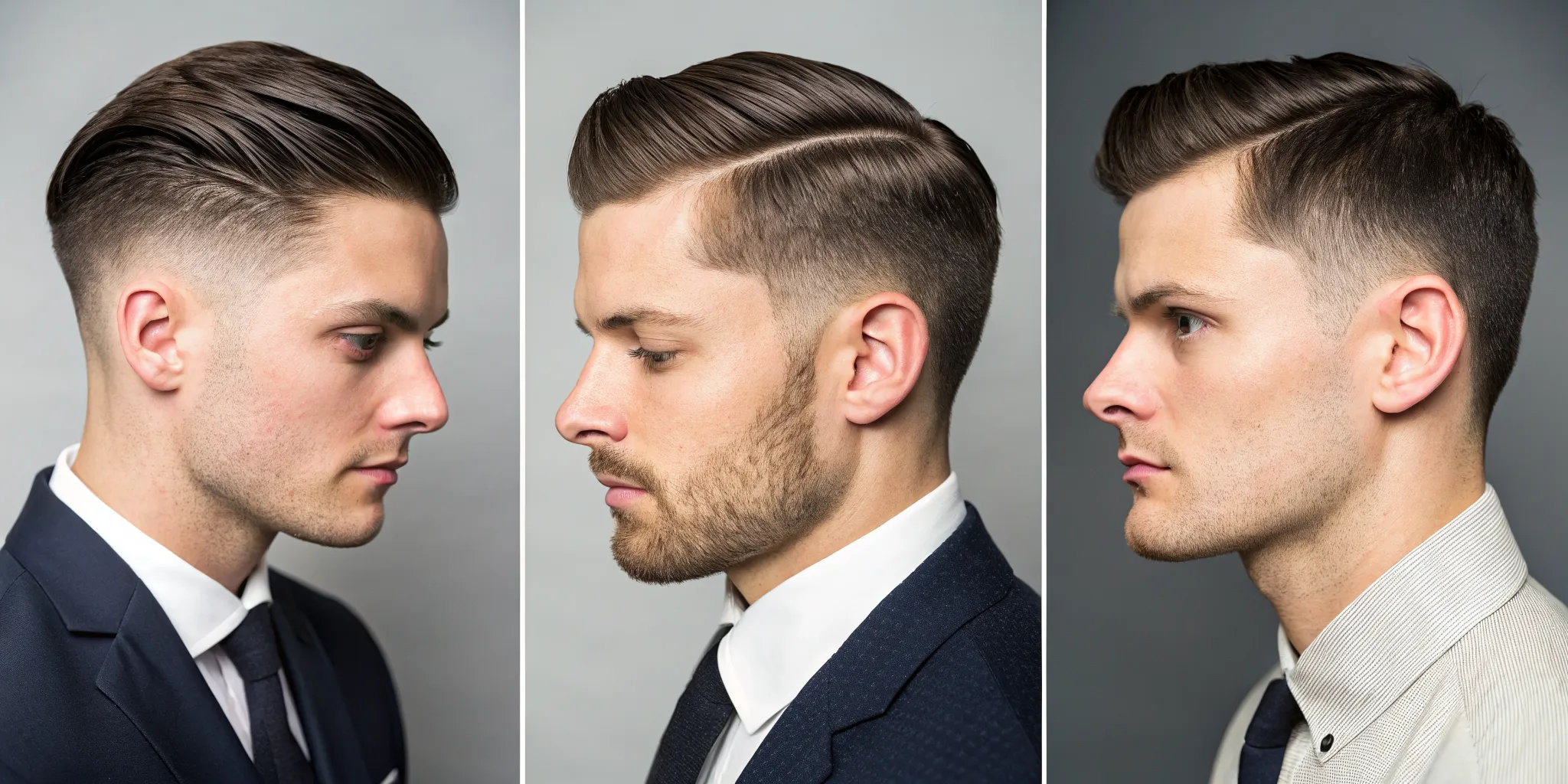
From its origins in the U.S. military to its rise as a cultural icon in 90s hip-hop, the fade has a rich history. Its journey is a testament to its clean, sharp, and powerful look. Today, it remains one of the most requested styles in barbershops everywhere because it continues to evolve while staying true to its roots. The modern men's fade haircut is a symbol of sharp style and attention to detail. In this guide, we’ll cover everything you need to know, from the common types of fades to the best products for styling, so you can wear this iconic look with confidence.
Book your next haircut with MjjM Salons
Key Takeaways
- Understand the Fade Types: The main difference between a low, mid, or high fade is simply where the blend begins on your head. Deciding on this starting point is the first step to getting the specific look you want, from a subtle, professional style to a bold, high-contrast one.
- Tailor the Cut to Your Features: A great fade works with your face shape and hair texture, not against them. Consider how a certain fade height can create balance for your face shape and which styles on top will best complement your hair's natural tendencies.
- Communicate Clearly and Maintain Consistently: To get the haircut you envision, bring reference photos to your barber and be ready to discuss the details. Because fades grow out quickly, keep your style looking sharp by scheduling regular touch-ups every one to three weeks.
What Is a Fade Haircut?
A fade haircut is one of the most popular and versatile styles for a reason. At its core, a fade is a technique where your barber gradually cuts the hair on the sides and back of your head shorter and shorter as it moves toward your neck and ears. This creates a seamless, blended transition, or "fade," from the longer hair on top down to the shorter hair at the bottom. The final look is incredibly clean, sharp, and modern, drawing attention upward to the style you're wearing on top.
What makes the fade so great is that it’s not a single haircut, but a foundation you can pair with almost any style. Whether you have a long quiff, a short crop top, curly hair, or a buzz cut, a fade adds a polished and intentional finish to your look. It’s a fantastic way to keep the sides neat and low-maintenance while allowing you to express your personality with the style on top. This adaptability is why it has remained a go-to choice in barbershops everywhere. You can find a fade haircut guide that shows just how many variations exist, from low and subtle to high and dramatic. It's all about how much contrast you want and where you want the blend to start.
Fade vs. Taper: What's the Difference?
It’s easy to mix up a fade and a taper, but they have one key difference. A fade blends the hair down to the skin, creating a high-contrast look that ends above your natural hairline. Think of it as a gradient that goes all the way to zero. A taper, on the other hand, is a more conservative style. It gradually shortens the hair but doesn't typically go down to the skin. Instead, it follows your natural hairline around the ears and at the neck. The result is a softer, more classic finish that isn't as stark as a fade. Understanding this hair cutting technique helps you ask for exactly what you want.
A Brief History of the Fade
While it feels like a modern style, the fade has a rich history. Its origins can be traced back to the U.S. military in the 1940s and 50s, where short, tidy haircuts were standard for practical reasons. However, the fade truly entered mainstream culture in the late 1980s and early 1990s, propelled by the rise of hip-hop. Artists and trendsetters in the Black community transformed the practical cut into a symbol of style and identity. Soon, everyone from Will Smith in The Fresh Prince of Bel-Air to rappers and pop stars were sporting fades, cementing its place as an iconic and enduring hairstyle that continues to evolve.
Common Types of Fades
Once you decide you want a fade, the next step is to choose which type you want. The main difference between the most common fades is where the fade line begins on your head. A higher fade creates a more dramatic, high-contrast look, while a lower fade is more subtle and understated. Understanding these variations will help you and your barber get on the same page to achieve the exact style you’re picturing. Let’s walk through the most popular options.
Low Fade
The low fade is a perfect entry point if you’re looking for a clean, professional style that isn’t too dramatic. This cut starts just above the ears and follows the hairline as it curves around the back of your head. It’s a subtle way to add shape and definition without committing to a high-contrast look. The low fade is especially flattering for men with round or square face shapes because it adds structure without visually elongating the head. To keep it looking sharp and intentional, you’ll want to plan for a touch-up every two to three weeks.
Mid Fade
As you might guess, the mid fade offers a happy medium between the low and high fade. It typically starts at your temples, creating a balanced and modern appearance that’s incredibly versatile. This is one of the most popular fade haircuts because it works well with almost any hairstyle on top, from a short crop to a longer pompadour. It’s stylish, easy to wear, and suits a wide variety of face shapes and hair types. Like the low fade, you can expect to maintain this look with a trim every two to three weeks.
High Fade
If you want a bold, edgy look that makes a statement, the high fade is for you. This fade starts high up on the head, somewhere between your temples and the crown, creating a strong contrast between the short sides and the longer hair on top. It’s a popular choice for athletes and those in creative fields who want a sharp, high-impact style. The high fade can add visual height, making it a great option for round and square faces. Because the line is so high, regrowth is more noticeable, so plan on visiting your barber every one to two weeks.
Skin Fade (or Bald Fade)
A skin fade, also called a bald fade, is less about where the fade starts and more about how it finishes. This technique involves tapering the hair all the way down to the bare skin, creating the sharpest, cleanest look possible. You can get a low, mid, or high skin fade, depending on your preference. It’s an excellent way to achieve a crisp, polished finish that really pops. To keep that super-clean line, this style requires frequent maintenance, usually a trim every one to two weeks.
Drop Fade
The drop fade adds a creative twist to the classic fade. Instead of running straight across the back of the head, the fade line "drops" down behind the ear, creating a distinct arc. This unique detail can make your haircut stand out and is particularly flattering for round face shapes. The fade hair cutting technique for a drop fade pairs exceptionally well with longer hair on top, like a quiff or faux hawk, as the curved line complements the volume and flow of the hair.
Temple Fade
Also known as a temp fade, blowout, or Brooklyn fade, this style focuses the fade on a specific area. Instead of wrapping around the entire head, the temple fade is concentrated around your temples and sideburns, with a smaller faded area at the nape of the neck. It’s a great way to clean up your hairline and add a touch of style without committing to a full fade. There are many types of fades to choose from, but the temple fade offers a particularly clean and stylish look that’s both subtle and sharp.
Popular Fade Styles to Try
A fade is the foundation, but the style on top is what gives your haircut its personality. The beauty of a fade is its incredible versatility. It acts as a clean canvas that can be paired with almost any hairstyle, from short and textured to long and flowing. This combination is where you can really express your personal style. Whether you want something classic and polished or modern and edgy, there’s a fade pairing that will work for you.
Think of it like building an outfit. The fade is your perfectly tailored pair of pants, and the style on top is the shirt that completes the look. You can switch it up depending on the occasion or your mood. A fade can sharpen a messy, casual style or add a contemporary twist to a vintage look. We'll walk through some of the most popular and timeless combinations to give you inspiration for your next trip to the barber. Each one offers a different vibe, so consider what look you're aiming for and what will work best with your hair type and face shape.
Fade with a Crop Top
The crop top haircut is a modern classic, and it pairs exceptionally well with a fade. This style features shorter, textured hair on top, often styled forward with a slight fringe. When you combine a textured crop with a sharp fade on the sides, you get a look that’s both stylish and easy to manage. The contrast between the clean, faded sides and the layered top creates a balanced and eye-catching effect. It’s a versatile cut that can be tailored to look neat and tidy or more rugged and undone, depending on how you style it.
Fade with a Quiff or Pompadour
If you’re looking for a style with some drama and volume, pairing a fade with a quiff or pompadour is the way to go. Both styles focus on creating height at the front of your hair, sweeping it up and back. Adding a high fade creates a bold, high-contrast look that really shows off the haircut's structure. This combination is fantastic for elongating the face, which makes it a great choice for guys with round or square face shapes. A pompadour with a fade is a statement look that blends classic cool with modern sharpness.
Fade with Dreads or Twists
Fades are an excellent choice for all hair types, including textured hair. Pairing a fade with dreads, braids, or twists creates a clean and polished look that beautifully contrasts textures. The fade on the sides and back provides a neat, sharp frame that makes the style on top stand out even more. This combination keeps the sides tidy and manageable while allowing for creative expression with longer hair on top. It’s a popular and practical way to style dreadlocks or twists, offering a look that is both clean-cut and full of personality.
Fade with a Hard Part
For an extra sharp and defined look, consider adding a hard part to your fade. A hard part isn’t a natural parting; it’s a thin line or stripe that is shaved directly into the haircut with a trimmer or straight razor. This technique creates a clean, deliberate separation between the faded sides and the longer hair on top. A hard part can be added to almost any fade combination, from a pompadour to a crew cut, instantly giving it a more precise and polished finish. It’s a small detail that makes a big impact.
Buzz Cut with a Fade
The buzz cut with a fade is the ultimate low-maintenance, high-impact style. This look combines a very short, uniform length on top with a seamless fade on the sides and back. It’s clean, masculine, and incredibly easy to care for since it requires minimal to no styling. The fade adds a modern touch to the traditional buzz cut, preventing it from looking too uniform and giving it a more tailored appearance. It’s a perfect choice if you want a simple, no-fuss haircut that still looks sharp and intentional.
Find the Right Fade for Your Face Shape
Choosing a haircut is about more than just picking a style you like; it’s about finding one that complements you. The secret to a truly great fade is how it works with your face shape. By balancing proportions and highlighting your best features, the right fade can make a huge difference. Think of your face shape as the frame and the haircut as the art inside. Let's figure out which fade will look like it was made just for you.
Round Face
If you have a round face, your goal is to create the illusion of length and structure. A mid or high fade is your best friend here, as the short sides will slim down your face while the volume on top will add definition and height. This contrast makes your face appear longer and more angular. Consider pairing a high fade with a pompadour, quiff, or a spiky textured top to draw the eye upward. This combination works wonders to create a more defined and chiseled look, giving you a sharp silhouette that feels both modern and flattering.
Oval Face
Consider yourself lucky, because an oval face is like a blank canvas for barbers. Thanks to its balanced proportions, this versatile shape means you can pull off any fade style you want. From a dramatic high skin fade to a subtle low fade, nothing is off-limits. This gives you the freedom to experiment and choose a cut based purely on your personal taste and the look you’re going for. Whether you want something classic and clean or bold and modern, your face shape supports it. Focus on a style that fits your personality and lifestyle, knowing it will look great.
Square Face
A square face is characterized by a strong, angular jawline, which is a great feature to work with. The key is to soften these angles without hiding them. Low to mid fades are perfect for this, as they provide a clean look that doesn't over-exaggerate the width of your face. These fades soften strong jawlines and create a sense of balance. Pairing a mid fade with some texture or a bit of length on top can further complement your features. This approach gives you a polished, masculine look that feels both powerful and refined.
Oblong or Rectangular Face
If your face is longer than it is wide, you have an oblong or rectangular shape. The strategy here is to avoid adding any more height, which can make your face appear even longer. For this reason, you should opt for a low fade. A low fade keeps the sides neat but leaves more hair on the sides of your head (above the fade), which adds a bit of width. This helps create a more balanced and proportional silhouette. Avoid styles with a lot of vertical volume, like tall pompadours, and instead consider a shorter, textured look on top.
Heart or Diamond Face
Heart and diamond face shapes typically feature wider cheekbones and a narrower chin. Your haircut should aim to add some volume to the lower half of your head to create balance. A mid fade is an excellent choice because it builds weight on the sides, which helps to balance heart-shaped or diamond faces by making the area around your chin appear less narrow. Keeping a bit more length on top, styled with some texture or a fringe, can also help soften the wider forehead associated with a heart shape. The result is a harmonious look that complements your natural bone structure.
Match Your Fade to Your Hair Type
The best haircut is one that works with your hair’s natural texture, not against it. A fade is incredibly versatile, but certain types are better suited to specific hair types. Choosing the right one can make your hair easier to style and help you get the exact look you’re going for. A great barber will always consider your hair type, but it helps to walk in with an idea of what will work for you. Whether your hair is pin-straight, super thick, or finely textured, there’s a fade that will complement it perfectly. Let’s find the right match for you.
Straight Hair
If you have straight hair, a fade is a great way to add dimension and interest. Without some texture, straight hair can sometimes fall flat, but pairing a clean fade with a bit of length on top gives you the perfect canvas for styling. You can create a sharp, polished look or go for something more casual and lived-in. A slightly messy fringe or some choppy texture on top creates a dynamic contrast with the sharp, faded sides. This gives your style more personality and movement, preventing it from looking too severe.
Curly and Coily Hair
A fade is an excellent choice for guys with curly or coily hair because it celebrates your natural texture while keeping the overall look clean and contained. A mid fade, for example, keeps your natural curls on top while tapering the sides for a sharp, manageable style. This approach puts your curls front and center without letting them overwhelm your look. Styles like blowout fades or afro fades also work incredibly well, offering a stylish frame that lets your hair’s texture be the main event while keeping the edges neat and tidy.
Thick Hair
Thick hair offers a lot of styling potential, but it can also have a mind of its own. A fade helps you manage the bulk while creating a strong, defined shape. For a really bold and striking look, high fades create a dramatic contrast that highlights the density of your hair on top. If you prefer something less intense, keeping the sides tighter with a longer top will help control the volume. This gives you a balanced silhouette that’s still full of styling possibilities without feeling too heavy.
Thin or Fine Hair
For those with thin or fine hair, a fade can create the illusion of more volume and thickness. A low or mid fade works especially well here. By tapering the hair very short on the sides, you make the hair on top appear fuller and denser in comparison. It’s a simple visual trick that really works. To enhance this effect, try working a small amount of styling powder or clay through the top. These products add texture and lift, giving your hair an extra bit of body and making it look much fuller than it is.
How to Ask Your Barber for the Perfect Fade
Walking into a barbershop and saying "just a fade" is a gamble. The secret to walking out with a haircut you love is knowing how to communicate exactly what you want. It’s less about having all the answers and more about having a clear conversation. With a few simple tips, you can make sure you and your barber are on the same page before the clippers even turn on.
Barber Lingo: Key Terms to Know
First, let's get the basics down. A fade is a haircut where the hair on the sides and back gradually gets shorter as it goes down your head, blending into the skin or very short hair. You don't need to be a master stylist, but learning a few key terms helps your barber understand your vision. When you can confidently ask for a "skin fade" versus a "taper," you remove the guesswork. This basic barber vocabulary makes the conversation much smoother and ensures you get a cut that looks intentional and sharp.
Describing the Details: Height, Neckline, and Length
Being specific is your best friend. The most important detail is the fade's height, which is where the shortest part of the blend begins. A low fade starts just above the ear, a mid fade begins around your temples, and a high fade goes further up the head. Tell your barber where you want the fade to start. Also, specify how short you want to go, whether it's a true skin fade or leaving a bit of length. Don't forget to mention your preference for the neckline: squared, rounded, or tapered for a more natural grow-out.
Using Reference Photos Effectively
A picture is worth a thousand words, especially in a barbershop. Bringing a few reference photos is the single best way to show your barber the style you're after. Try to find pictures of people with a similar hair type and head shape to yours for the most realistic outcome. Instead of just showing the photo, point out exactly what you like about it. Is it the seamless blend? The height of the fade? The texture on top? This gives your barber a clear, visual target to aim for and bridges any communication gaps.
Common Communication Mistakes to Avoid
One of the biggest mistakes is not engaging in a dialogue. Your barber is an expert with a trained eye for what suits different face shapes and hair types. Instead of just giving orders, ask for their opinion. You could say, "I'm thinking of a mid fade, but what do you think would work best for me?" This collaborative approach often leads to a better result. Also, don't be afraid to speak up during the cut if you have a question or concern. It's much easier for your barber to make a small adjustment mid-cut than to fix a finished style you're unhappy with.
The Best Products for Styling Your Fade
A great fade is only half the battle; the right styling product is what truly brings your look to life. Choosing the best one depends entirely on your hair type and the style you want to achieve. Are you going for a polished, high-shine finish or a textured, matte look? Do you need a rock-solid hold that lasts all day or something more flexible and natural? Understanding the difference between pomades, waxes, clays, and creams is the first step to mastering your daily styling routine and keeping your fade looking sharp from one barbershop visit to the next.
Pomade and Wax
If you’re aiming for a classic, polished style, pomade is your go-to. It’s used for sleek, defined styles with shine and a firm hold, making it ideal for looks like a slick back or a sharp side part. Waxes, on the other hand, are all about creating texture and definition with a more flexible hold. A good hair wax is excellent for shorter, piecey styles where you want movement and a natural-looking finish without the high gloss of a pomade. Think of pomade for structure and shine, and wax for texture and flexibility.
Clay and Cream
For a strong hold without any shine, texture clay is the answer. Its matte finish is perfect for shaping and defining texture, making it a favorite for modern crop tops and messy quiffs that need volume. If you prefer a softer, more natural appearance, a styling cream is a better fit. Creams provide a light hold that’s fantastic for controlling frizz and adding a touch of definition without any stiffness. They work especially well for guys with longer hair on top or those who want to manage curly hair while maintaining a soft, touchable finish.
How to Apply Product for the Best Results
How you apply your product is just as important as which one you choose. To achieve the best results, always start with a small, pea-sized amount of product and warm it up by rubbing it between your palms. This makes for a much smoother application. Begin working the product into your hair from the back and move toward the front to ensure you get an even distribution without overloading the front sections. For a more textured look, scrunch the product into your hair rather than just smoothing it over the top. This simple technique helps create separation and movement.
How to Maintain Your Fade
You walked out of the barbershop with a flawless fade, feeling like a new person. The key to keeping that feeling is maintenance. A great fade is all about precision, and since hair grows, that sharp look can soften quickly. But don't worry, a little upkeep is all it takes to keep your haircut looking clean and intentional between appointments. Think of it less as a chore and more as a routine that protects your investment. With a few simple habits and a standing appointment with your barber, you can keep your fade looking its best.
How Often to Schedule a Touch-Up
A fade's sharp appearance depends on a clean, gradual transition, which grows out relatively quickly. To keep the look tight, you should plan to visit your barber every one to three weeks for a touch-up. The exact timing depends on how fast your hair grows and the style of your fade. A skin fade, for example, will show regrowth much faster than a longer taper fade. The best approach is to talk to your barber and get their recommendation. To make it easy on yourself, try booking your next appointment before you even leave the shop. This ensures you get a spot and keeps your maintenance on a consistent schedule.
Signs It's Time for a Trim
Not sure if it's time to head back to the barber? Your hair will give you a few clear signals. The most obvious sign is that the fade line is becoming less distinct. That seamless gradient you left the shop with will start to look a bit fuzzy as the shorter hairs grow out. You might also notice the overall shape looking uneven or losing its structure. Check the lines around your ears and at your neckline; if they're starting to look soft or messy, it's a good indicator that you're due for a clean-up. Regular trims are absolutely essential to keep your fade looking sharp and well-defined.
Making Your Fade Last Longer Between Visits
While you can’t stop your hair from growing, you can take a few steps to extend the life of your fade. One of the best things you can do at home is to carefully clean up your neckline with a trimmer. This keeps the edges looking crisp. However, it's critical to leave the actual fade to a professional. Trying to touch up the gradient yourself often leads to uneven results that are difficult for your barber to fix. Another great tip is to use the right styling products to help maintain the look. A bit of pomade or clay can add texture and hold, keeping your hair styled in a way that complements the fade even as it grows out.
Find your next haircut at MjjM Salons
Frequently Asked Questions
How often do I really need to get my fade touched up? The honest answer depends on the type of fade you have and how quickly your hair grows. For high-impact styles like a high fade or a skin fade, you’ll want to see your barber every one to two weeks to keep those lines perfectly sharp. If you have a more subtle low or mid fade, you can usually stretch it to two or three weeks. The best rule of thumb is to book your next appointment before you leave the barbershop; it keeps your haircut on a consistent schedule.
I'm getting my first fade. Which one is a safe bet? If you're new to fades, I always suggest starting with a low or mid fade. These styles are incredibly versatile and offer a clean, polished look without being too dramatic. They are more understated than a high fade, which makes them a great entry point. A low or mid fade works well for most face shapes and gives you a chance to get comfortable with the style before committing to something bolder.
Can I still get a fade if my hair is thinning? Yes, absolutely. In fact, a fade can be a fantastic choice for thinning hair. By cutting the sides and back very short, you create a contrast that makes the hair on top appear fuller and denser. It’s a clever visual trick that adds the illusion of volume. I’d recommend a low or mid fade paired with a textured style on top to maximize this effect.
What's the best way to make sure my barber understands the look I want? Bringing a few reference photos is the single most effective way to communicate your vision. Find pictures of people who have a hair type and head shape similar to yours. When you show the photos to your barber, don't just hand over your phone; point out exactly what you like. Mention if it's the smoothness of the blend, the height of the fade, or the way the top is styled. This gives your barber a clear visual guide to follow.
How do I choose the right styling product for the look I want? Think about the finish you want to achieve. If you're aiming for a sleek, shiny style like a pompadour, a pomade will give you the hold and gloss you need. For a modern, textured look with a matte finish, a styling clay is your best friend. If you just want to control some frizz and add a bit of soft definition to longer or curly hair, a lightweight styling cream is the perfect choice.