
MjjM Salons Blog
How to Care for Color Treated Hair: MjjM Stylist Tips
By the MjjM Salons team
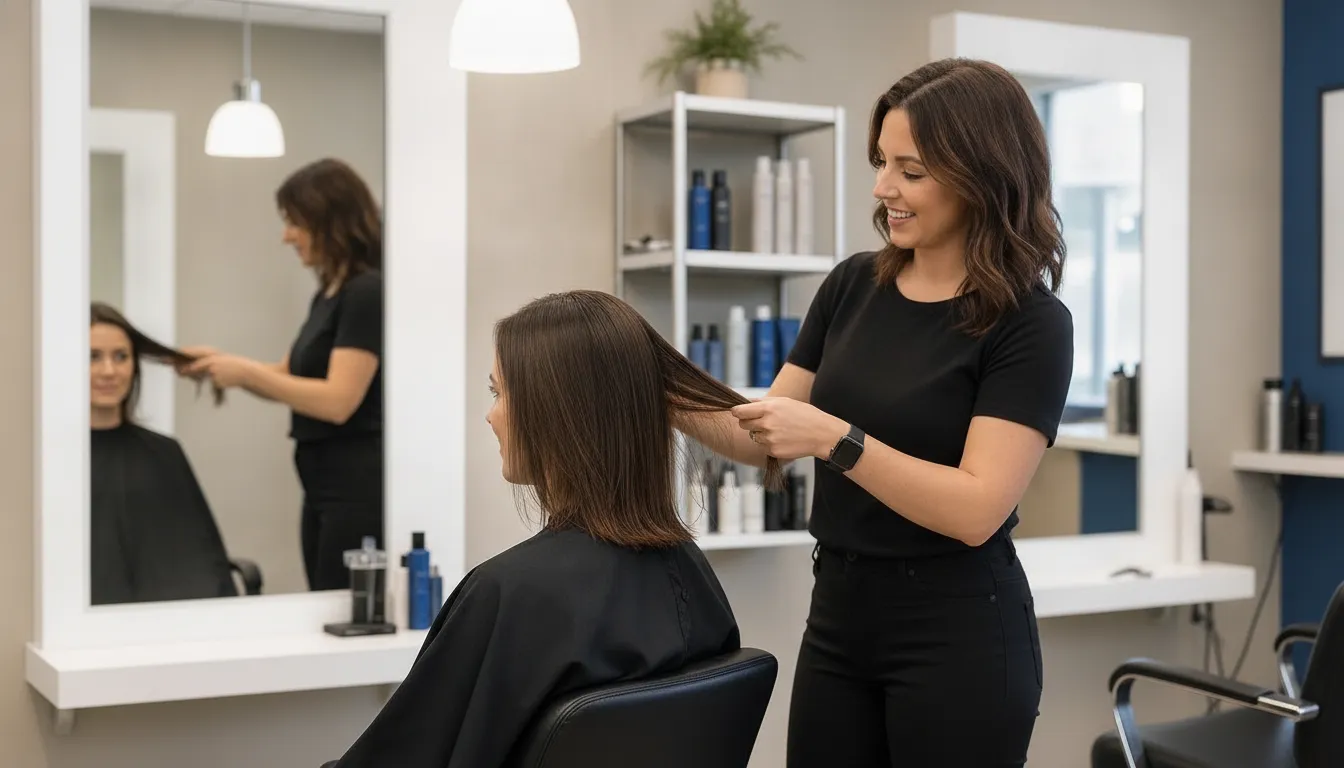
Color-treated hair usually needs a little more planning after an appointment than it did before. The right first wash, products, and maintenance routine depend on the color service, your hair's condition, and the guidance from your stylist.
Quick answer: For how to care for color treated hair, begin by following your stylist's specific aftercare instructions, then use a color-preserving routine that fits your service. General beauty-care guidance recommends waiting at least two days before washing, with three days preferred, but that timing is not a universal MjjM rule.
Because each MjjM color service begins with a one-on-one consultation, your stylist can help adapt practical care advice to your appointment. The first decision is when to cleanse your hair after leaving the salon.
Find a MjjM location to schedule your next color appointment
How Long After Coloring Should You Wait to Wash Your Hair?
General aftercare guidance often recommends waiting at least two days after a color service before washing, with three days preferred. The purpose is to give the hair time for the cuticle and color process to settle. This is not a universal guarantee or an MjjM policy. Your stylist's instructions take priority because timing can vary with the service, products used, and condition of your hair. The guidance is discussed by Tricoci University.
- Wait for the recommended window. Unless your stylist gives different instructions, avoid washing immediately after coloring. A two-day minimum is commonly suggested, while waiting three days may be preferred for some services. Ask before leaving the salon if your service requires a different schedule.
- Use a gentle first wash. When it is time to cleanse your hair, work shampoo through the scalp and roots without rough scrubbing through the lengths. Rinse thoroughly, then apply conditioner as directed by your stylist. The right products may differ for vivid color, highlights, single-process color, or other services.
- Choose cooler water. Use lukewarm to cool water rather than very hot water. The Tricoci University guidance recommends cooler water as part of color maintenance, although water temperature alone cannot guarantee that color will not fade.
- Do not wash more often than needed. When practical, avoid daily washing. A less frequent routine can reduce repeated exposure to cleansing and water, but the best schedule depends on your scalp, activity level, hair texture, and stylist guidance.
If your color looks different than expected, your hair feels unusually dry, or you are unsure when to wash, contact the stylist who performed the service before changing your routine.
How to Care for Color Treated Hair with the Right Shampoo and Conditioner
The right shampoo and conditioner should support your color service, hair condition, and desired finish. A color-preserving formula is a practical starting point. Product choice is not one-size-fits-all. Ask your stylist which products suit your color and routine. A professional beauty-care guide also recommends discussing options with a stylist because the best approach varies by color. Tricoci University explains this guidance.
Conditioner matters because coloring can change the hair fiber's surface and mechanical properties. In one academic study, conditioner agents included in a blond oxidative-dye emulsion reduced measured damage from the coloring process. That finding supports using a suitable conditioning step, but it does not mean one product will produce the same result for every head of hair. The PubMed study describes the tested formulation and its limits.
Some color-treated hair benefits from a product with color-depositing pigment. For example, a purple shampoo may be relevant when brassiness is a concern, while it may be unnecessary for another color service. Use it according to your stylist's guidance rather than treating it as a universal replacement for regular shampoo. If your hair feels dry between washes, an optional weekly moisturizing mask can add another conditioning step. The same professional beauty-care source presents a weekly mask as a maintenance option.
For a tailored starting point, review MjjM's products for color-treated hair. Then ask your independent stylist how a shampoo, conditioner, pigment product, or mask fits your color plan.
How Often Should You Touch Up Your Color?
There is no single touch-up calendar that fits every color service. The right timing depends on how quickly regrowth becomes visible, whether you are maintaining roots or refreshing overall tone, the result you want, and the current condition of your hair. A stylist can assess those factors during a consultation and help determine whether your next appointment should address the roots, refresh the tone, or involve broader recoloring.
Look at the type of refresh you need
A root touch-up focuses on new growth near the scalp. It may be appropriate when the underlying color is still suitable through the lengths. A gloss or tonal refresh is different. It can be considered when the color looks less balanced or vibrant, even if the roots do not need the same service. Broader recoloring may be discussed when the target shade, previous color, or visible fading calls for work beyond the root area. These services are not interchangeable. Applying color repeatedly to hair that does not need it may not be the most suitable approach.
Why hair condition matters
Repeated dyeing should be planned thoughtfully rather than treated as an automatic appointment cycle. In a study of repeated dyeing, nanoscale cuticle-surface damage became more pronounced as the frequency of dyeing increased. The researchers also reported noticeable changes after one session and greater effects after three or more consecutive treatments in the tested model. The findings support careful assessment, but they do not prescribe an appointment schedule for every person or color service. Read the study on repeated dyeing and hair-fiber changes.
Ask a stylist about a touch-up when:
- New growth is visible and no longer blends with the rest of the color.
- The tone has shifted in a way you want to address.
- Fading appears through the lengths, not only at the roots.
- Your hair feels noticeably different from its usual condition after previous services.
- You are considering a new shade, highlights, or a larger color change.
Bring your current routine and describe the result you want. A one-on-one consultation allows an independent professional to consider your hair condition, color history, and preferences before recommending the most appropriate next step.
What Should You Avoid After Coloring Your Hair?
After a color service, a few simple changes can help you maintain the appearance of your hair. The right routine depends on the service performed, your hair's condition, and your stylist's instructions. These are general guidelines, not a universal protocol for every color or client.
- Do not wash immediately. A professional beauty-care guide recommends waiting at least two days before the first wash, with three days preferred. The guide explains that this gives the cuticle and new color more time to settle. If your stylist gives you different instructions for your specific service, follow those instead. Read the source guidance on first-wash timing.
- Avoid washing every day when it is not necessary. Frequent washing may remove natural oils and can leave hair feeling dry. Adjust your schedule to your scalp, activity level, and styling needs rather than forcing a fixed rule. If oil develops between washes, dry shampoo may be one option to discuss with your stylist.
- Skip very hot water. Use a cooler temperature when washing and conditioning. Extremely hot water can make the routine more drying, while a comfortably warm or cooler rinse is usually easier to tolerate.
- Do not buy products based only on a label. Color-preserving, color-depositing, and moisturizing products serve different purposes. Purple shampoo, for example, may be relevant for some blondes but is not automatically appropriate for every color. Choose products with your color, hair condition, and stylist's recommendations in mind. Avoid assuming that every color-treated client needs the same ingredients or product line.
- Do not stack chemical services without professional input. Repeated dyeing can increase nanoscale cuticle-surface damage in a laboratory study, and the reported effects intensified as treatments accumulated. That does not establish a universal appointment schedule, but it does support discussing overlapping color, lightening, or corrective services with a stylist before proceeding. Review the repeated-dyeing study.
When in doubt, share your current routine and any planned chemical service during your next consultation. A stylist can help adjust washing, product use, and timing to the color result you are maintaining.
Protecting Your Color in Summer vs Winter
Seasonal conditions can change how color-treated hair looks and feels. Sunlight, pool water, saltwater, dry air, and indoor heat may all call for small adjustments to your routine. These suggestions are general maintenance guidance, not a universal schedule or guarantee. Your color service, hair condition, and stylist's instructions should guide the details.
| Season | Exposure | Care adjustment |
|---|---|---|
| Summer | Sunlight, pools, saltwater | Use shade or a hat, rinse after swimming, and ask about UV protection for your color. |
| Winter | Dry air, indoor heat, hats | Use gentle cleansing, regular conditioning, and an optional mask when hair feels dry. |
- Season
- Summer
- Exposure
- Sunlight, pools, saltwater
- Care adjustment
- Use shade or a hat, rinse after swimming, and ask about UV protection for your color.
- Season
- Winter
- Exposure
- Dry air, indoor heat, hats
- Care adjustment
- Use gentle cleansing, regular conditioning, and an optional mask when hair feels dry.
Sun protection deserves attention in warmer months. A study of black and blue permanent and semi-permanent dyes found substantial photodegradation by week seven of sunlight exposure, but that result came from a specific tested setup. It should not be read as a guaranteed fading timeline for every color service. The findings do support practical habits such as seeking shade, wearing a hat, and discussing UV-protective shampoo or conditioner with your stylist. The Tricoci University guidance also notes that UV rays can lighten or alter hair color and recommends considering products that provide UV protection: color-care guidance from Tricoci University.
Swimming can add another layer of exposure. Rinsing after pool or saltwater contact helps remove residue before it sits on the hair. Follow with a gentle wash when needed and conditioner suited to your hair. In winter, dry air and heated indoor spaces can make hair feel less supple, so a moisturizing conditioner or occasional mask may be useful. Cooler water is also a practical option; the same Tricoci source recommends a cooler setting when washing and conditioning.
Keep the routine proportionate. No single product can promise that color will never fade, and different formulas or techniques may need different care. If your hair feels unusually dry or your color is changing in a way you did not expect, bring those observations to your MjjM stylist at the next consultation.
Schedule Your Next Color Appointment at MjjM Salons
The right time to schedule your next color appointment depends on more than the calendar. Consider what you are seeing in your hair, how your color service was performed, and whether your hair still feels manageable. Visible regrowth, a change in tone, fading through the lengths, or a desire to adjust the shade can all be useful reasons to speak with a professional. There is no single touch-up schedule that suits every color-treated client.
Before booking, note what you would like to maintain or change. A root touch-up, single-process color, highlights, and balayage or ombre can call for different planning. Your stylist may also consider the condition of your hair, its previous color history, and how much change is realistic in one appointment. This conversation helps separate routine maintenance from a larger color adjustment that may require a more detailed plan.
At MjjM Salons, color services begin with a one-on-one consultation that considers factors such as hair health and skin tone. Because MjjM operates with independent professionals in private salon suites, the person providing your service can discuss your goals and personalize the appointment around your hair. Provider pricing and service details may vary by suite, so confirming those details when you schedule is practical.
Bring reference photos if they help explain your preferred tone or level of change, but also be prepared to discuss your current routine and prior services. Clear information gives your stylist a better basis for recommending a service and aftercare approach. To find a convenient location and begin planning your next appointment, find a MjjM location.
Find a MjjM location to plan your next color appointment
FAQ: How to Care for Color Treated Hair
How long should you wait to wash your hair after coloring?
Timing varies by service, hair condition, and stylist guidance. As general beauty-care guidance, wait at least two days before the first wash, with three days preferred, unless your stylist gives different instructions. This pause allows the cuticle and new color time to settle. (Tricoci University)
How can you help keep color-treated hair from fading?
Wash less often when practical, use color-preserving shampoo and conditioner, and choose cooler water rather than very hot water. If your stylist recommends it for your shade, a product with color-depositing pigment may help address brassiness. Sun exposure can also affect some dyes, so ask your stylist about suitable UV-protection products for your routine.
How many times a week should you wash color-treated hair?
There is no single weekly schedule that suits every person. Many stylists recommend avoiding daily washing when possible because frequent washing can dry hair and remove natural oils. Your hair texture, scalp needs, activity level, and service type all matter. If oil builds up between washes, dry shampoo can be one option to discuss with your stylist. (Tricoci University)
What should you avoid after coloring your hair?
Avoid washing immediately after the appointment, daily washing when it is unnecessary, and very hot water. Also avoid assuming that one product or touch-up schedule works for every color service. Repeated dyeing can increase measured cuticle-surface damage in a research model. Let a stylist assess your color, hair condition, and next service rather than layering on frequent color independently. (National Library of Medicine).
Keep Your Color Care Routine on Track
A MjjM stylist can review your current color, hair condition, and care routine to help you plan the next appointment thoughtfully.
Find a MjjM location and schedule your next color appointment