
MjjM Salons Blog
6 Best Short Haircuts for Fine Hair for Major Volume
By the MjjM Salons team
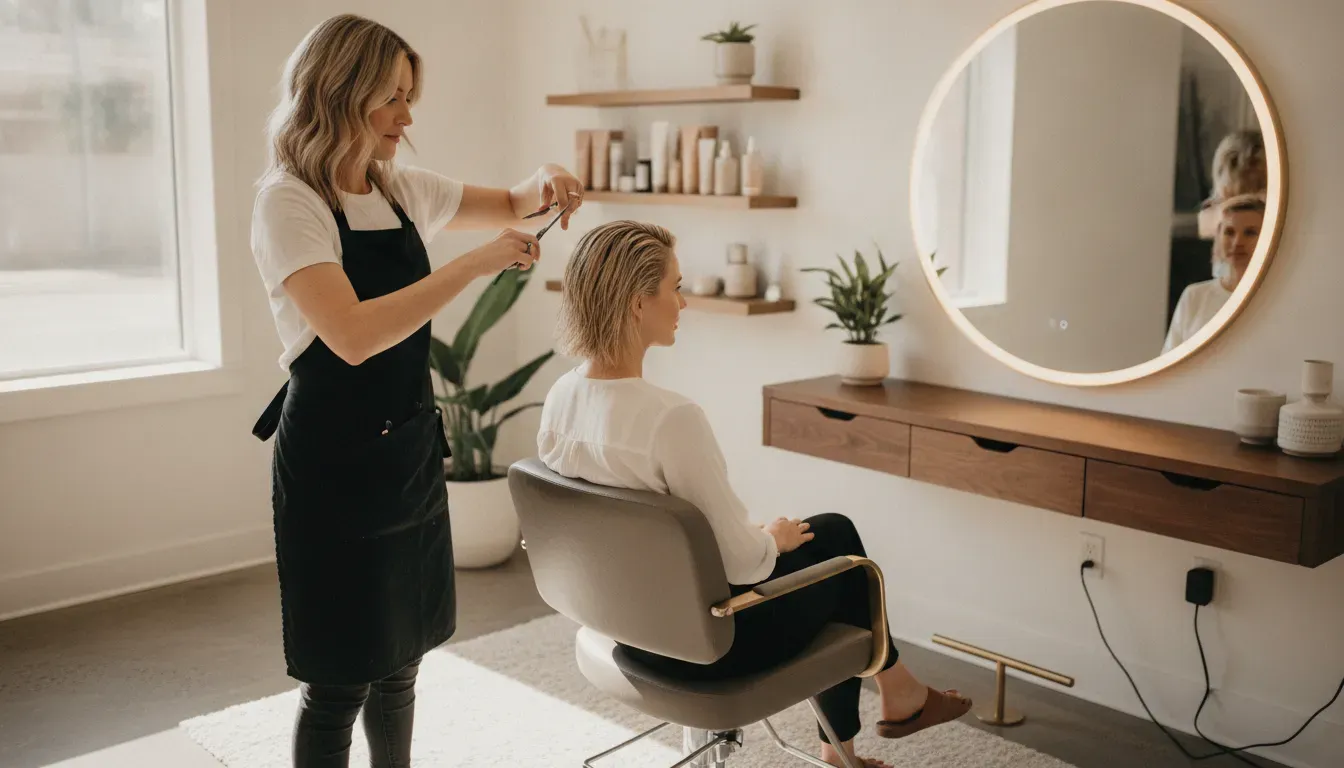
As a stylist, one of my favorite transformations to witness is when a client with fine hair decides to go short. There’s often a moment of hesitation, followed by pure delight when they see the result. Suddenly, their hair has life, bounce, and a shape it never had when it was long. The secret isn't magic; it's technique. A well-executed short cut is specifically designed to build volume and create the illusion of density. It requires a stylist who understands how to use blunt lines and subtle graduation to their advantage. This guide will give you the knowledge you need to have a great conversation with your stylist about the best short haircuts for fine hair and find the perfect look for you.
Book your next haircut with MjjM Salons
Key Takeaways
- Choose a cut that builds weight, not removes it: Short styles with blunt ends, like a bob or lob, create a solid foundation that makes hair look thicker. Avoid excessive layering, which can thin out your ends and work against your goal of creating fullness.
- Style for lift with lightweight products: Your styling routine is key. Use volumizing mousses at the roots and finish with texturizing sprays, but avoid heavy creams or oils that will weigh your hair down. A quick blow-dry with your head flipped over is a simple trick for major volume.
- Create dimension with color and regular trims: Ask your stylist for highlights or balayage to create visual depth that makes hair appear fuller. To keep your style looking sharp and healthy, commit to getting a trim every four to six weeks to maintain those clean, dense-looking ends.
Why Go Short with Fine Hair?
If you have fine hair, you know the struggle. Long hair can feel limp and lifeless, weighed down by its own length. You might think growing it out is the only way, but what if the secret to fuller-looking hair is actually going shorter? Taking the plunge with a shorter cut can completely transform fine hair, giving it the body and life you've been looking for. It’s not just about following a trend; it’s about using a smart strategy to make your hair work for you.
Create the Illusion of Volume
The number one reason to chop fine hair is for volume, volume, volume. Long hair is heavy, and that weight pulls your strands down from the root, leaving you with a flat top and wispy ends. By cutting your hair shorter, you instantly remove that weight. This allows your roots to lift, creating natural body and bounce that’s hard to achieve with long, fine hair. As experts note, short to medium-length styles can make thin hair look fuller and feel healthier. It’s a simple trick of physics that gives you the appearance of a much thicker head of hair without any complicated styling.
Add Density with Blunt Ends
The type of cut matters just as much as the length. For fine hair, blunt ends are your best friend. A blunt cut, where the hair is trimmed straight across, creates a solid, heavy line at the bottom. This visual weight makes your hair appear much denser and thicker than it actually is. On the other hand, wispy layers or razored ends can make fine hair look even thinner and more sparse. A sharp, clean perimeter is the goal. It’s a powerful optical illusion that gives your style structure and substance, making your ends look healthy and full.
Enjoy a Low-Maintenance Style
Let’s be honest, who has time for a complicated hair routine every morning? Shorter hair is often much easier and quicker to manage. You’ll spend less time blow-drying, use less product, and find that your hair holds a style with less effort. This is especially true as your hair gets a fresh start, free from split ends that can make styling a nightmare. A great short cut creates instant movement and shape, so you can practically wash and go. Ready to simplify your routine? Find a stylist at one of our Supercuts locations who can help you choose a low-maintenance style that makes you feel amazing.
Our Favorite Short Haircuts for Fine Hair
Ready to find your new signature look? We’ve gathered our favorite short haircuts that are practically magic for fine hair. These styles use clever cutting techniques to build body, create texture, and give you the voluminous hair you’ve been dreaming of. Whether you’re looking for something chic and polished or fun and edgy, there’s a perfect cut waiting for you. Talk to your stylist about which of these would best suit your hair type and face shape.
The Blunt Bob
The blunt bob is a timeless classic for a reason. This cut features sharp, straight-across ends that create a strong, clean line. By getting rid of wispy ends, a blunt cut instantly makes your hair appear heavier and more dense. It’s a powerful illusion that gives fine hair a solid, healthy-looking foundation. This style is incredibly versatile; you can wear it sleek and straight for a sophisticated vibe or add soft waves for a more relaxed feel. It’s a chic and confident choice that works beautifully on fine hair, making the most of every strand.
The Wavy Lob
If you’re not quite ready for a super short cut, the wavy lob (long bob) is your perfect match. This mid-length style, which typically ends somewhere between your chin and collarbone, offers the best of both worlds. Adding waves or enhancing your natural texture creates movement and body, making your hair look significantly fuller. You can also incorporate bangs to frame your face and add another layer of volume. The lob is one of the most requested short hairstyles for fine hair because it’s so flattering and easy to manage, giving you length to play with while still feeling light and bouncy.
The Graduated Bob
For a style that’s engineered for volume, look no further than the graduated bob. This is a technical cut that’s shorter in the back and gradually gets longer toward the front. The magic is in the subtle, stacked layers at the nape of the neck, which build weight and create a beautifully rounded shape. This technique gives the appearance of more volume right where fine hair tends to fall flat. The result is a sophisticated and polished look with a built-in lift that lasts long after you leave the salon.
The Textured Pixie
A pixie cut is a bold and beautiful choice for fine hair. The key is to go for a textured pixie with soft, choppy layers rather than a one-length buzz. These layers add dimension and make it incredibly easy to create lift and movement. A little bit of styling paste or pomade is all you need to tousle the top and sides, which can help cover any sparse spots and add instant volume. This cut is wonderfully low-maintenance on a daily basis and puts all the focus on your best features, like your eyes and cheekbones.
The Bixie Cut
Can’t decide between a bob and a pixie? You don’t have to. The "bixie" is the perfect hybrid, blending the best of both styles. It has the playful, lightweight feel of a pixie but keeps some of the length and softness of a bob, especially around the face and in the back. This in-between length is fantastic for fine hair, as it provides enough texture to create fullness without being weighed down. The bixie is a modern, fun, and incredibly versatile cut that gives you styling options while still being easy to manage.
The Shaggy Bob
Embrace a cool, lived-in vibe with a shaggy bob. This cut uses lots of feathery, razored layers to create tons of texture and movement. Unlike the heavy layers you want to avoid, the layers in a shag are strategically placed to build volume, especially around the crown and through the sides. This style is perfect for adding dimension and the look of fullness to fine hair. It’s an effortlessly cool look that works well with your hair’s natural texture, whether it’s straight, wavy, or curly. Plus, it’s designed to look a little undone, making it a great low-maintenance option.
How to Choose the Right Short Cut for Your Fine Hair
Deciding to go short is exciting, but choosing the right short cut is what makes all the difference. The perfect style for you is one that complements your hair type, face shape, and lifestyle. It’s a collaboration between your vision and your stylist’s expertise. Before you head to the salon, thinking through a few key factors will help you and your stylist land on a look you’ll absolutely love. Let’s walk through what you need to consider to feel confident in your choice and ready for a change.
Know Your Hair Type: Fine vs. Thin
First things first, let's clear up a common point of confusion. The terms "fine" and "thin" are often used interchangeably, but they actually describe two different things. Fine hair means each individual strand has a small diameter. Thin hair refers to the density, or the number of hair strands on your head. You can have a lot of fine hair, or you can have coarse hair that is thinning. Knowing where you land helps your stylist determine the best approach. This small detail guides everything from the type of layers that will work to the texturizing techniques that will give you the most volume without sacrificing fullness.
Consider Your Face Shape
A great haircut should feel like it was made just for you, and that often comes down to how it balances your face shape. The goal is to highlight your favorite features. For example, longer bobs can beautifully elongate round faces, while pixie cuts can perfectly frame heart-shaped faces. Don't worry if you're not sure what your face shape is. A skilled stylist can assess it in seconds and suggest cuts that will be the most flattering. Thinking about this ahead of time gives you a great starting point for a conversation about your new look.
Frame Your Face with Bangs
If you want to create an instant illusion of fullness, bangs are your best friend. Whether they are soft and sweeping or chic and blunt, bangs draw attention to your eyes and cheekbones. Face-framing pieces or curtain bangs can make the hair around your face appear much thicker and add beautiful movement to your style. They are an amazing tool for adding shape and interest to any short cut, from a bob to a pixie. Your stylist can help you decide on the perfect fringe to complement your cut and facial features.
Plan Your Maintenance Schedule
One of the best parts of having short hair is the easy day-to-day styling, but keeping the cut looking sharp does require regular upkeep. To maintain the shape and prevent your ends from looking wispy, you’ll want to plan for routine trims. For most short styles, this means a visit to the salon every four to six weeks. This keeps your cut looking intentional and ensures the clean lines continue to make your hair look as full and healthy as possible. Finding a convenient salon, like one of our many MjjM Salons locations, makes sticking to a schedule simple.
How to Style Fine Hair to Look Fuller
A great haircut is your foundation, but your styling routine is what brings the volume to life every single day. With fine hair, the goal is to create lift and texture without weighing it down. It sounds tricky, but it’s totally achievable with the right products and a few simple techniques. Think of it as learning your hair’s love language. Once you know what works, you can create that full, bouncy look you’re after. Let’s walk through the key steps to making your fine hair look its absolute fullest.
Choose Lightweight Volumizing Products
First things first: product selection is everything. Heavy creams, oils, and serums will only weigh your fine hair down, making it look flat and greasy. Instead, you want to reach for products specifically designed to be lightweight. A great starting point is a sea salt spray. It’s perfect for adding a bit of grit and texture for that effortless, beachy look. According to styling experts, using lightweight volumizing products is essential for fine hair. Just a few spritzes on damp hair, a quick scrunch with your fingers, and you can let it air dry for added body without any heat.
Apply Products for Maximum Lift
It’s not just what you use, but how you use it. For maximum lift, you want to build a foundation of volume before you even start styling. A volumizing mousse is your best friend here. Look for formulas that promise body and fullness without the sticky, crunchy feel of old-school products. Apply a golf-ball-sized amount to your roots when your hair is still damp. This simple step gives your hair the support it needs to lift off the scalp as it dries. This pre-styling application is crucial for giving your hair extra body and fullness that lasts all day.
Master Your Blow-Drying Technique
Your blow-dryer is one of the most powerful tools you have for faking fuller hair. For the best results, apply your styling products when your hair is very wet. Then, flip your head upside down and blow-dry, focusing the heat at the roots. This simple move encourages your roots to stand up straight from your scalp, creating major volume. Once your hair is about 80% dry, you can flip back over and use a round brush to smooth the ends. A pro tip is to avoid touching your hair too much while it dries, as this can disrupt the volume you’re building and cause frizz.
Create Movement with Texturizing Sprays
The final step to faking fullness is adding texture. Flat, uniform hair tends to look thinner, so creating a little separation and piecey-ness is key. This is where texturizing sprays come in. After your hair is dry and styled, lightly mist a texturizing spray all over. Use your fingers to tousle your hair at the roots and scrunch the ends. This will help create movement and body, breaking up the style just enough to make it look thicker and more dynamic. It’s the perfect finishing touch for that lived-in, voluminous look.
Common Mistakes to Avoid with Fine Hair
Getting the right haircut is the first step, but how you care for it makes all the difference. Fine hair can be a bit particular, and a few common habits can accidentally sabotage your style, leaving it looking flat instead of full. The good news is that these mistakes are easy to fix. By paying attention to your cut, products, and maintenance schedule, you can keep your hair looking its absolute best. Let's walk through a few key things to avoid so your short haircut always looks phenomenal.
Avoid Over-Layering Your Cut
While layers can add movement to some hair types, they can be tricky for fine hair. When you have too many layers, especially choppy ones, you remove weight from the ends. This can make your hair look even thinner and sparser than it is. Instead, talk to your stylist about a blunt cut, where the hair is cut to one length to create a strong, solid line. This technique makes the ends appear much thicker and fuller. A graduated bob, which is slightly shorter in the back and longer in the front, is another fantastic option that builds volume without sacrificing density. A great stylist will know exactly how to tailor the cut to your hair.
Steer Clear of Heavy Styling Products
Fine hair gets weighed down very easily, so the products you use are incredibly important. Heavy creams, thick serums, and oily formulas are often too much for fine strands, causing them to fall flat within hours. Instead of reaching for these, opt for lightweight products specifically designed to add volume. Think airy mousses, root-lifting sprays, and light texturizing mists. When you apply them, focus the product at the roots for lift and use a very small amount on your mid-lengths and ends. This approach gives you the hold and volume you want without making your hair look greasy or limp. You can find great styling tips that work with these lighter products.
Don't Skip Your Regular Trims
It might seem counterintuitive if you're trying to grow your hair, but skipping trims is a major mistake for fine hair. Fine strands are more susceptible to split ends and breakage, which can make the ends look wispy and thin. Regular trims are essential for maintaining the clean lines and structure of a short haircut, which is key for making it look full and healthy. For most short styles, we recommend a trim every six to eight weeks. This keeps your ends blunt and prevents damage from traveling up the hair shaft. Keeping up with your trims is easy when you can find a salon near you for a quick refresh.
Can Hair Color Make Fine Hair Look Thicker?
Yes, the right hair color can absolutely help fine hair appear fuller and more substantial. When you color your hair, the chemicals in the dye cause the cuticle of each strand to swell slightly. This process can make each individual hair feel a bit thicker and add some welcome texture. While this physical change is a nice bonus, the real magic comes from the visual effect of a well-executed color service. It’s less about the specific shade you choose and more about the application technique your stylist uses to apply it.
A single, flat color can sometimes emphasize a lack of density, making hair look even finer than it is. To counteract this, a stylist can use multiple tones to create the illusion of thickness and movement. By strategically placing different shades, they create depth and dimension that trick the eye into seeing more volume than is actually there. Think of it as contouring for your hair. This is why a thoughtful consultation with your stylist is so important before any color is mixed. They can assess your hair’s texture and your desired cut to recommend a color plan that builds visual body and makes your hair look its absolute best.
Add the Illusion of Thickness with Highlights
One of the most effective ways to add visual volume is with dimensional color. Techniques like traditional highlights, balayage, or delicate babylights introduce lighter pieces that contrast with your base color. This interplay of light and shadow breaks up the solid curtain of hair, creating an appearance of depth and fullness. Think of it like an artist using shading to make a flat drawing look three-dimensional.
A color that incorporates different shades makes the hair look thicker by preventing it from looking flat or transparent. When you discuss options with your stylist, using terms like "dimension" and "contrast" will help them understand your goal. The result is a dynamic, textured look that appears much fuller than a single all-over color.
Know Which Color Techniques to Avoid
Just as the right color can add volume, the wrong technique can have the opposite effect. It’s best to steer clear of any process that could cause significant damage, as breakage is the number one enemy of fine hair. You should also be cautious with how highlights are applied. If a stylist places chunky, uniform highlights too close to the scalp, it can sometimes draw attention to the scalp and make the hair parting look wider.
The key is strategic placement that adds brightness without sacrificing the look of density at the root. A great stylist will know how to customize the application to your hair type and cut. Finding someone who understands the nuances of fine hair is crucial, so be sure to book a consultation at one of our MjjM Salons locations to chat with a professional about your goals.
Find a Stylist Who Understands Fine Hair
A great haircut for fine hair is a team effort between you and your stylist. It’s not just about picking a photo you like; it’s about finding a professional who truly understands the unique needs of your hair. A stylist with experience cutting fine hair will consider your specific hair type and face shape to recommend a style that adds genuine volume and movement. They know that what works for thick, coarse hair won’t necessarily work for you, and they have the skills to tailor the cut accordingly.
This expertise makes all the difference. A knowledgeable stylist will use specific cutting techniques, like creating sharp, blunt lines, to make the ends of your hair look thicker and fuller. They’ll also stress the importance of regular trims, which are essential for maintaining the shape of a short cut and preventing your ends from looking thin or wispy. Beyond the cut itself, a great stylist acts as your personal hair coach. They can recommend the right lightweight products and teach you styling techniques to help you achieve that salon-perfect volume every single day.
Finding someone you trust is key to loving your hair. You should feel comfortable talking openly about your hair concerns and goals. At our salons, we’re dedicated to providing our stylists with advanced, ongoing training so they can master the best techniques for every hair type. We want you to leave feeling confident and phenomenal. When you’re ready, find a salon near you and have a conversation with one of our stylists about the perfect short cut for you.
Find your next haircut at MjjM Salons
Frequently Asked Questions
Is “fine” hair the same thing as “thin” hair? This is a great question, and it’s a common point of confusion. The two terms actually describe different things. “Fine” refers to the diameter of each individual hair strand, meaning each strand is slender. “Thin” refers to the density, or how many strands you have on your head. You can have fine hair that is very dense, or you can have coarse hair that is thinning. Knowing which you have helps your stylist choose the perfect cutting technique for you.
I’m worried a short cut will be harder to style every day. Is that true? It’s usually the opposite. A well-designed short cut can be incredibly low-maintenance because the shape is built right in. With the weight of long hair gone, your hair will have more natural lift and body. Many short styles look fantastic with just a bit of texturizing spray and a quick tousle. Your daily routine will likely get much faster, and you’ll probably use less product, too.
How often do I really need to get my short hair trimmed? To keep your short style looking its best, you’ll want to plan for a trim every four to eight weeks. This isn't just about keeping the length in check; it's about maintaining the clean, blunt lines that are key to making fine hair look thick and healthy. Regular trims prevent split ends from forming and traveling up the hair shaft, which can make your ends look wispy and sparse.
Will adding layers make my fine hair look fuller? This is where things get tricky. While some very strategic, soft layers can create movement, having too many layers is one of the biggest mistakes for fine hair. Over-layering removes weight and can make your ends look thin and see-through. For a guaranteed fuller look, it’s often better to stick with blunter, one-length cuts like a classic bob. A great stylist will know how to add texture without sacrificing the density your hair needs.
What’s the best way to ask my stylist for a cut that adds volume? When you talk to your stylist, use words that describe the result you want. Try saying things like, “I’d like to make my hair look denser and fuller at the ends,” or “I’m looking for a style that creates more lift at the root.” It’s also helpful to bring a few inspiration photos, but be sure to ask your stylist for their professional opinion on what will work best for your specific hair type and face shape.